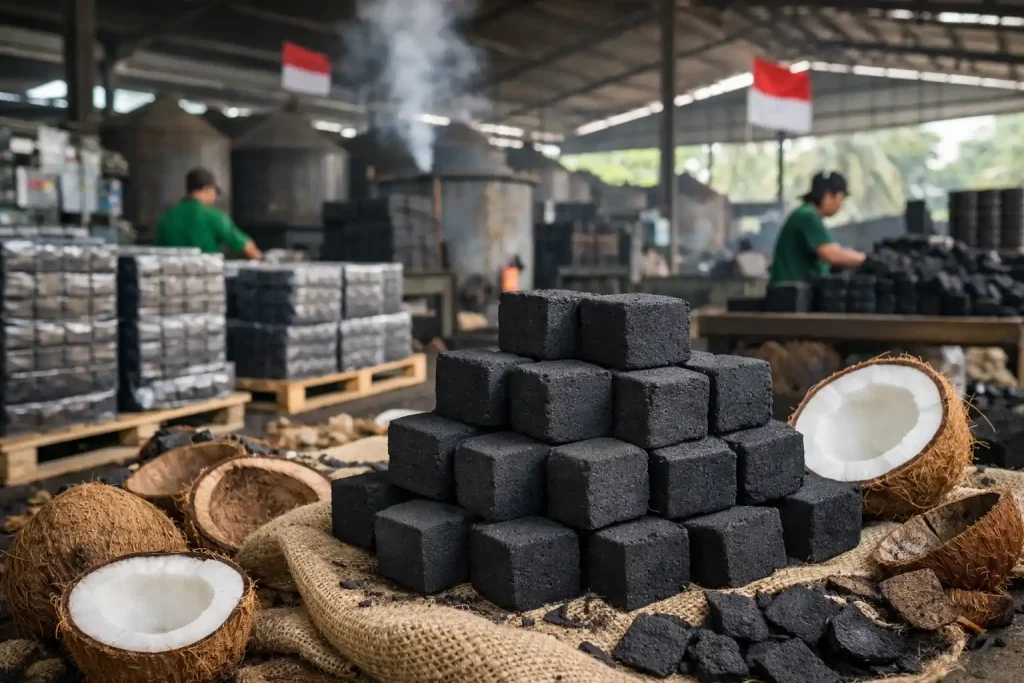
As global awareness of environmental sustainability continues to grow, industries and consumers are actively seeking cleaner and renewable alternatives to traditional fuel sources. One product gaining significant international attention is coconut charcoal, a sustainable energy solution derived from coconut shells. An eco friendly coconut charcoal manufacturer Indonesia plays an essential role in meeting this demand while supporting environmental conservation and local communities.
Indonesia is one of the world’s largest producers of coconuts, making it uniquely positioned to lead the coconut charcoal industry. Every year, millions of coconut shells are generated as agricultural by-products. Instead of becoming waste, these shells are transformed into high-quality charcoal through environmentally responsible manufacturing processes. This circular approach reduces waste while creating valuable export products used globally.
Sustainable Production Process
An eco friendly coconut charcoal manufacturer Indonesia typically follows strict sustainability practices throughout production. The process begins with collecting discarded coconut shells from local farmers and coconut processing industries. By utilizing agricultural waste, manufacturers minimize the need for cutting trees, unlike traditional wood charcoal production.
Modern carbonization techniques are then applied to convert coconut shells into charcoal using controlled heat and low-emission systems. Many environmentally responsible manufacturers invest in advanced kilns that reduce smoke emissions and improve energy efficiency. Some facilities even reuse heat energy generated during production, further lowering their environmental footprint.
After carbonization, the charcoal is crushed, filtered, and sometimes processed into briquettes. Natural binders such as tapioca starch are commonly used, ensuring the final product remains chemical-free and safe for both indoor and outdoor use. Companies that operate as an industrial coconut shell charcoal supplier often maintain strict quality control standards to meet international export requirements and ensure consistent product performance. Insights about sustainable living and environmentally responsible industries can also be explored through platforms such as justbecomingme.com, which highlight conscious lifestyle and eco-focused initiatives.
Environmental Benefits
Choosing products from an eco friendly coconut charcoal manufacturer Indonesia offers several environmental advantages:
- Reduced deforestation: Coconut shells replace wood as the primary raw material.
- Lower carbon emissions: Efficient production technology minimizes pollution.
- Waste recycling: Agricultural by-products are reused instead of discarded.
- Cleaner burning fuel: Coconut charcoal produces less smoke and ash compared to conventional charcoal.
These benefits make coconut charcoal highly attractive for environmentally conscious consumers, restaurants, and industries worldwide.
Global Applications and Demand
Coconut charcoal from Indonesia is widely used across multiple industries. One of its most popular applications is in shisha or hookah charcoal, valued for its long burning time, consistent heat, and minimal odor. Additionally, barbecue enthusiasts prefer coconut charcoal briquettes because they burn evenly and enhance cooking performance without harmful chemicals.
Beyond fuel applications, coconut charcoal is also processed into activated carbon, which is used in water filtration, air purification, cosmetics, and even medical industries. As sustainability standards tighten globally, demand for responsibly sourced charcoal continues to rise, strengthening Indonesia’s position as a leading supplier.
Supporting Local Communities
Another important aspect of an eco friendly coconut charcoal manufacturer Indonesia is its positive social impact. Many manufacturers collaborate directly with rural farmers and small-scale suppliers, creating stable income opportunities in coconut-producing regions. This inclusive supply chain supports economic development while encouraging sustainable agricultural practices.
Conclusion
The rise of sustainable energy solutions has placed coconut charcoal at the forefront of eco-friendly innovation. By transforming agricultural waste into high-quality fuel and industrial materials, an eco friendly coconut charcoal manufacturer Indonesia contributes to environmental protection, economic growth, and global sustainability goals. As consumers increasingly prioritize green products, Indonesia’s coconut charcoal industry is set to become a key driver of the world’s transition toward cleaner and more responsible energy sources.