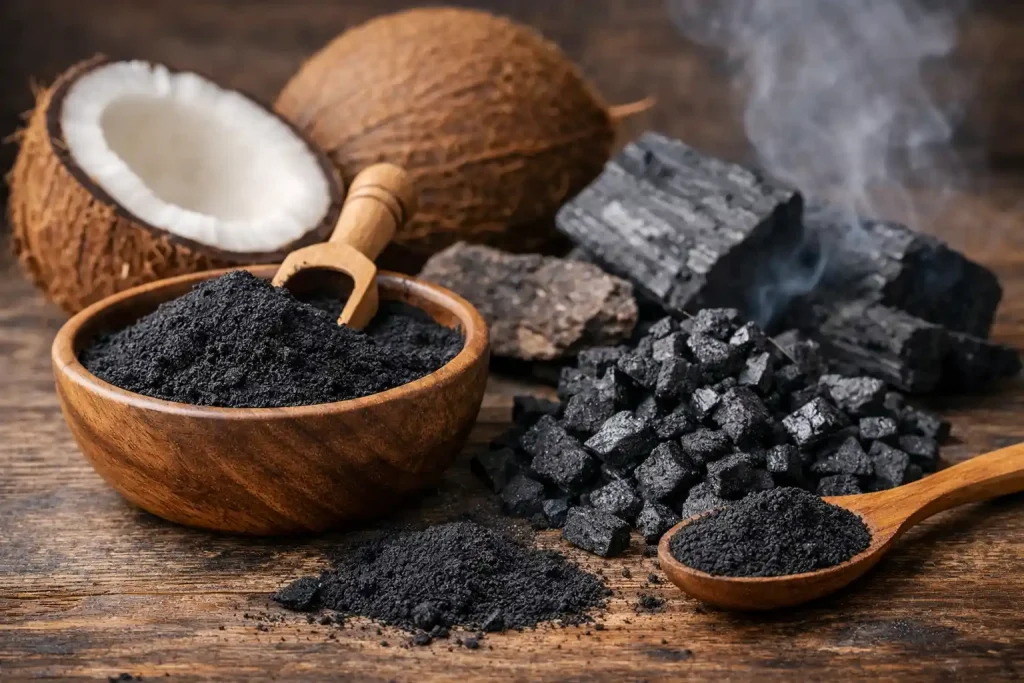
Activated coconut charcoal has become increasingly popular in recent years due to its versatility, natural origin, and eco-friendly properties. Made from coconut shells, this type of charcoal undergoes a specialized activation process. This process significantly increases its surface area and adsorption capacity, making it far more effective than regular charcoal. As a result, activated coconut charcoal is used in many applications, from health and beauty products to environmental protection and industrial processes. It offers natural efficiency and sustainable benefits for both consumers and businesses.
Health and Beauty Applications
One of the most common uses of activated coconut charcoal is in health and personal care products. Its porous structure traps toxins, impurities, and chemicals effectively. It is commonly found in teeth whitening powders, facial masks, and detox supplements. Consumers prefer it because it is natural, renewable, and free from harmful additives. In oral care, it helps remove stains and promotes dental hygiene. For skincare, it acts as a gentle cleanser, drawing out dirt, excess oil, and other impurities, making it ideal for oily or acne-prone skin.
Water and Air Purification
Activated coconut charcoal is also widely used for purification. Its high adsorption capacity makes it effective at removing contaminants, chemicals, and unpleasant odors. In households, it is used in water filters to ensure clean drinking water. Industrially, it is applied in air purification systems and chemical plants to capture pollutants and reduce environmental impact. Businesses seeking consistent quality often rely on a high volume coconut charcoal supplier to meet large-scale demand efficiently.
Health Supplementation Benefits
In addition to skincare and purification, activated coconut charcoal is used in dietary supplements. Many detox drinks and digestive products include it to support gut health, reduce bloating, and help the body remove unwanted toxins. Its ability to bind toxins makes it a natural choice for gentle detox solutions. However, responsible use is important, as excessive consumption may affect nutrient absorption. For tips on safe use and product recommendations, websites like justbecomingme.com provide helpful guidance.
Environmental and Sustainability Advantages
Activated coconut charcoal is considered a sustainable resource. Coconut shells, which might otherwise go to waste, are transformed into a high-value product through activation. This reduces environmental impact and promotes eco-friendly production. Compared to other sources of activated charcoal, coconut-based charcoal is less carbon-intensive and encourages sustainable farming practices. It is a responsible choice for both businesses and consumers.
Conclusion
Activated coconut charcoal is a versatile and eco-friendly product with numerous benefits across various applications. It supports health and beauty routines, purifies water and air, and is widely used in dietary supplements to promote digestive health and detoxification. Its natural origin and high adsorption capacity make it both effective and sustainable, while the process of transforming coconut shells into charcoal reduces waste and encourages environmentally responsible production practices. With growing consumer demand for natural, efficient, and eco-conscious products, activated coconut charcoal continues to be a valuable, multifunctional resource that meets the needs of both individuals and businesses while promoting a greener and more responsible approach to using natural resources, ensuring sustainability while minimizing environmental impact and supporting long-term ecological balance.